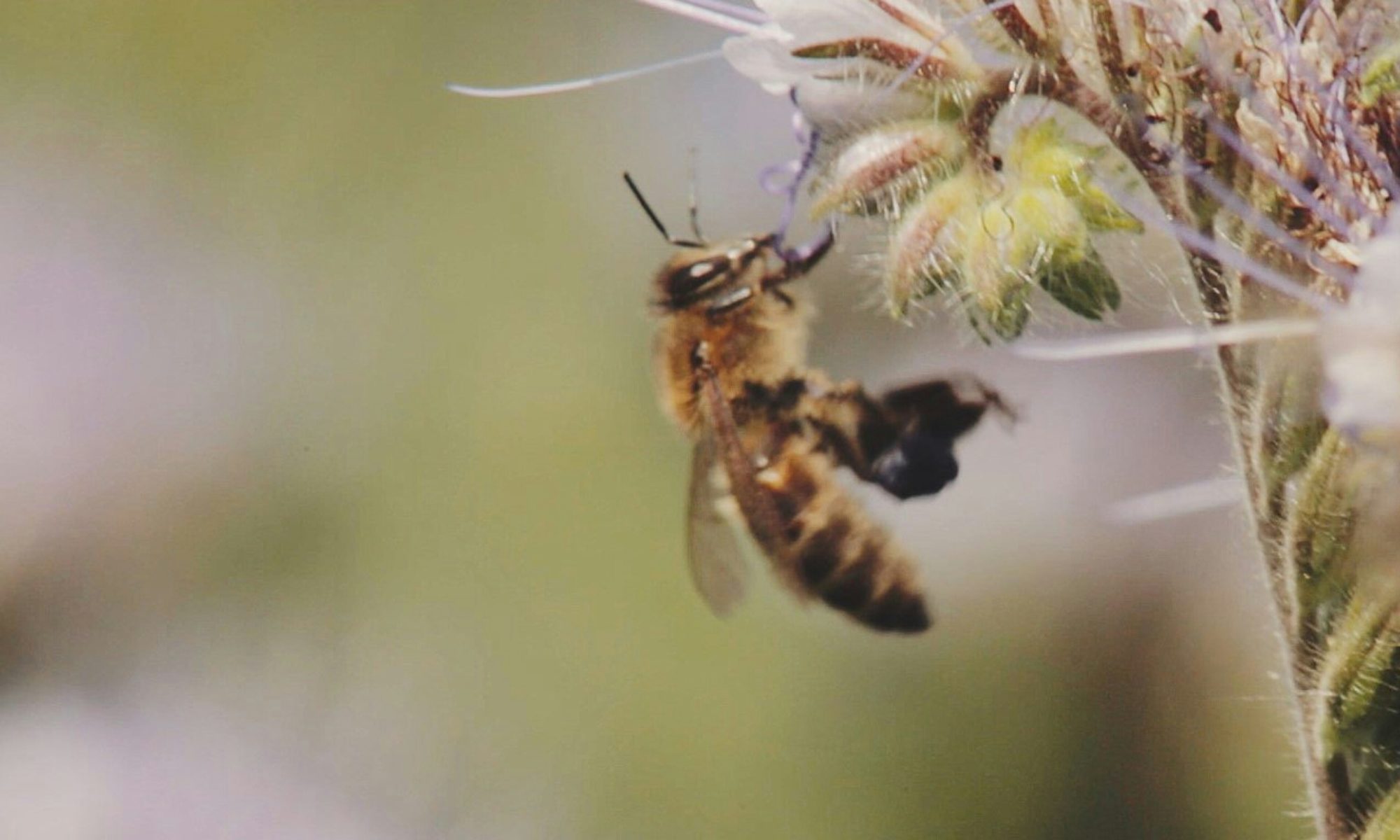

Spring Honey Harvest – May 28, 2026
Batch code:
HNY-2026-05-28
Origin:
AmoHive apiary, Masuria, Poland
Harvest period:
May, 2026
Extraction date:
May 25–28, 2026
A jar with a story
This honey comes from the green, blooming landscape of northern Masuria, Poland — a place where spring does not arrive quietly. It comes with yellow dandelions, white hawthorn blossoms, meadows full of small wildflowers, fields of rapeseed, and of course, bees that seem to know exactly where the best breakfast is served.
This batch was harvested at the end of May, during the transition from the main spring bloom to the early summer meadow season. Around the apiary, dandelion (Taraxacum officinale) had already played its important spring role, nearby rapeseed fields (Brassica napus) had passed their main flowering stage, hawthorn (Crataegus sp.) was blooming strongly, and the meadows were full of buttercups, speedwell, bistort, and other wild plants.
This is not just honey. It is a small, golden record of one place, one season, and one moment in the life of the bees.
Flowering plants observed around the apiary:
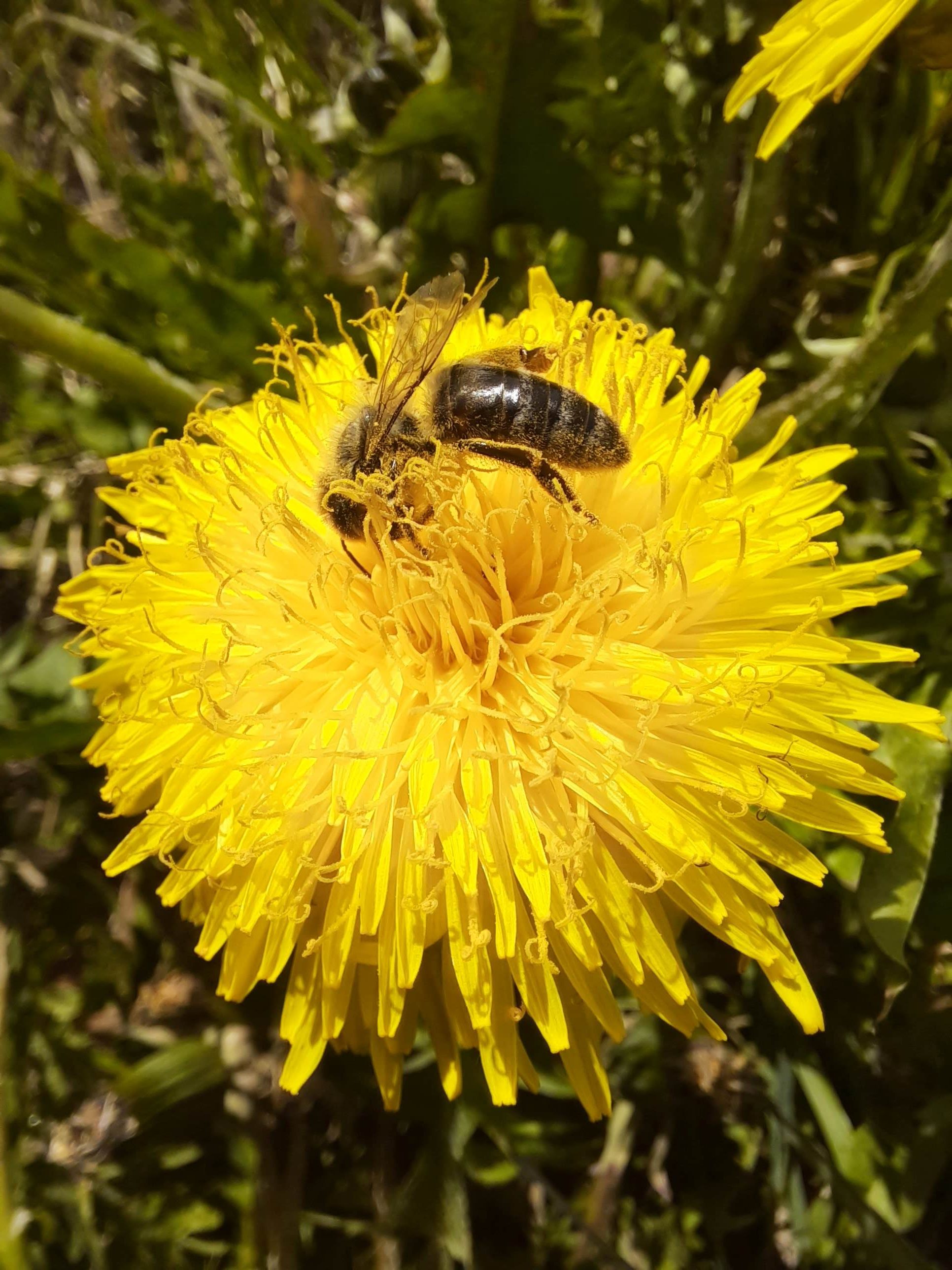
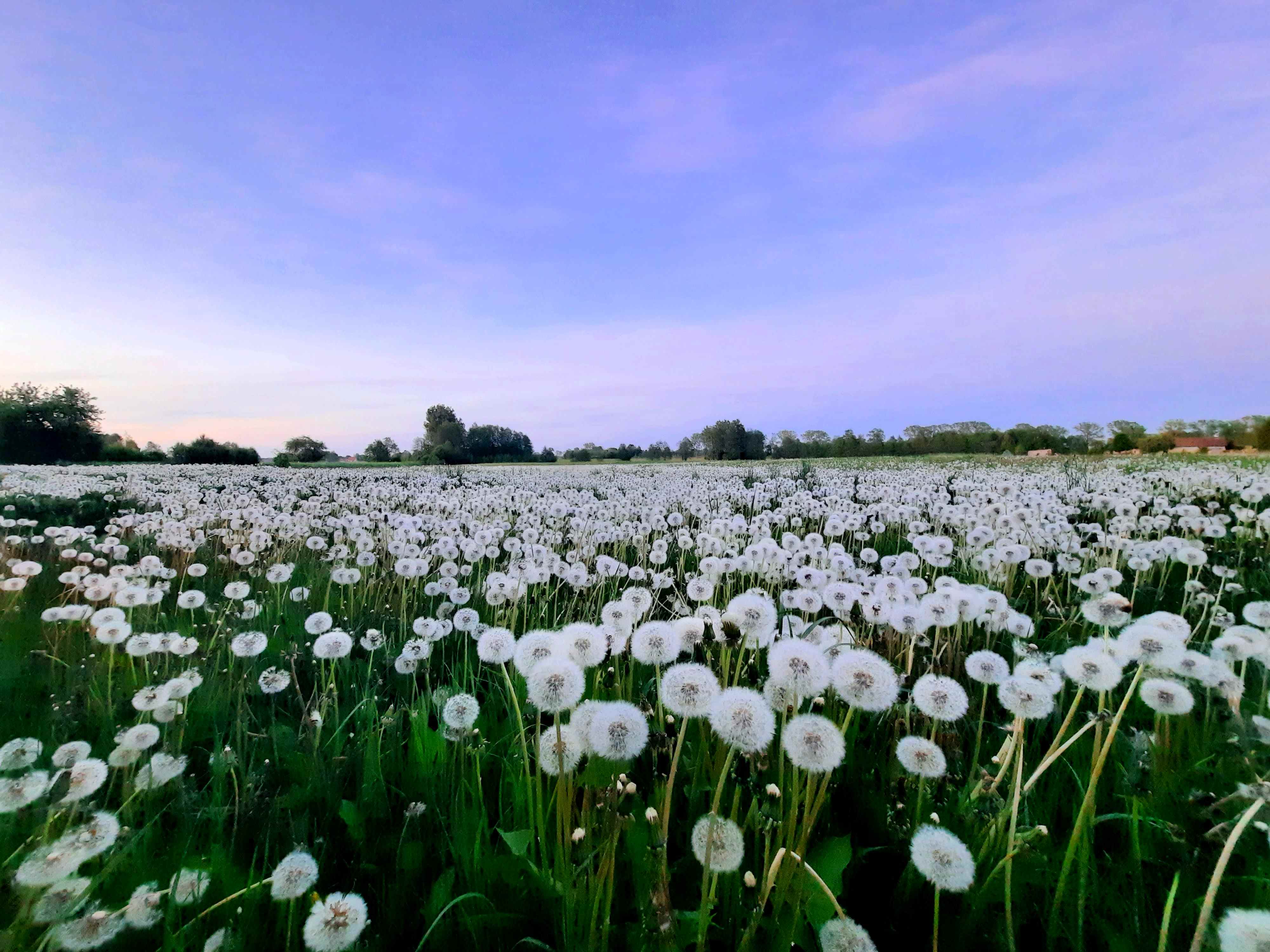
Dandelion / mniszek lekarski
Taraxacum officinale
One of the classic spring plants for bees. Its yellow flowers are strongly connected with early spring bee activity and the first intense nectar and pollen flows.
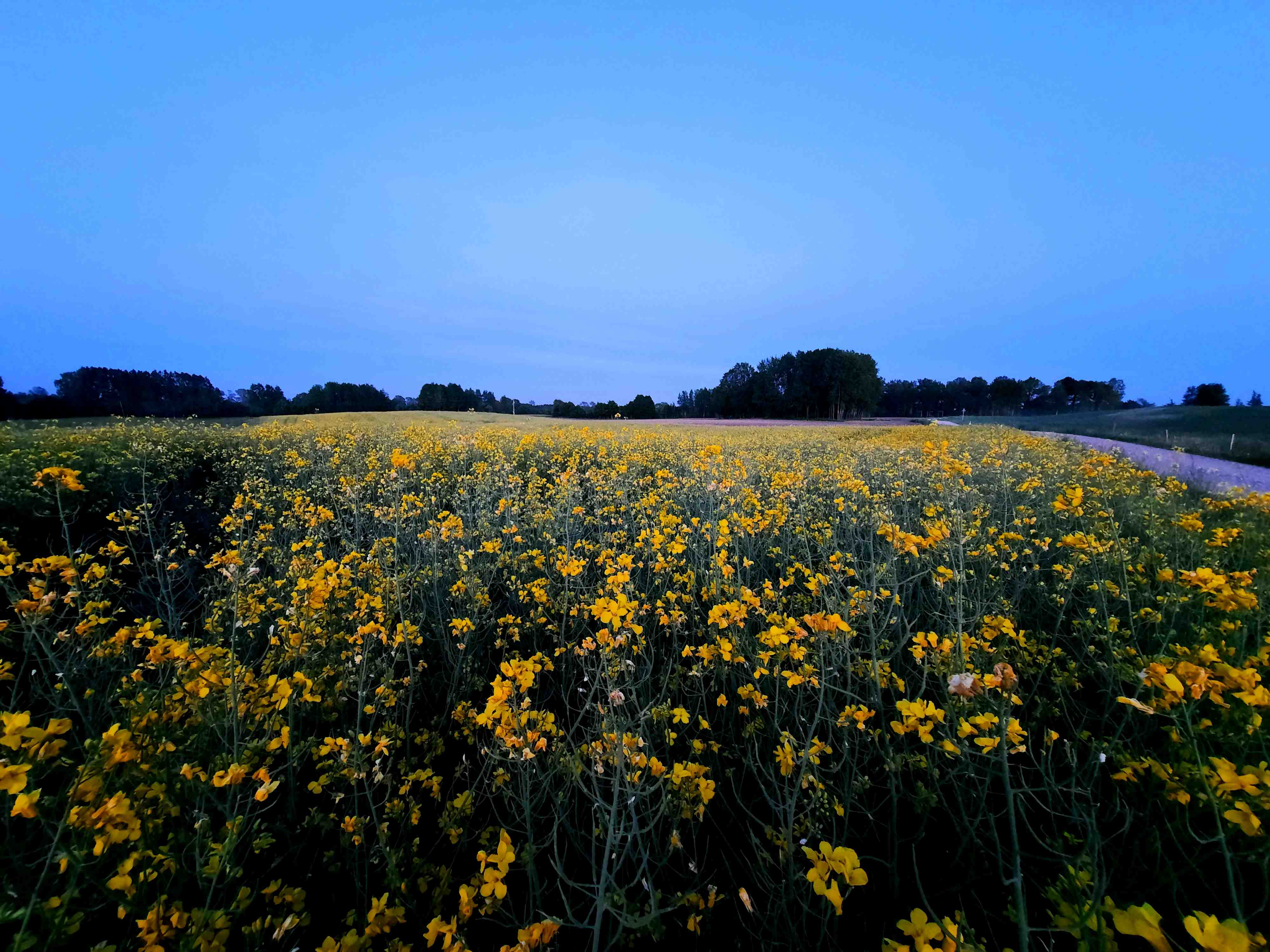
Rapeseed / rzepak
Brassica napus
Rapeseed fields were present in the surrounding landscape. By the time of this harvest, the main flowering period had already passed, but rapeseed remained an important part of the spring floral context.
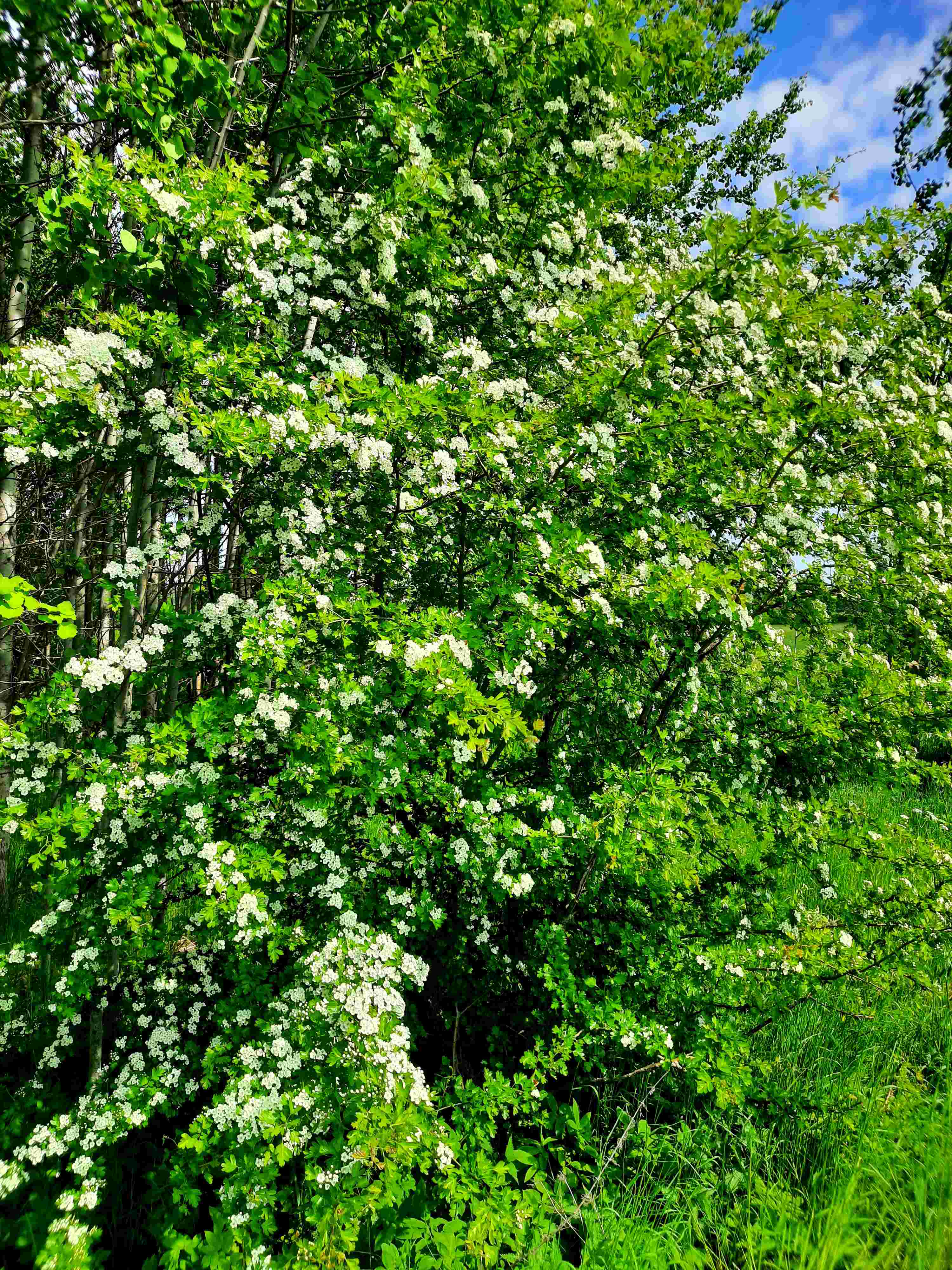
Hawthorn / głóg
Crataegus sp.
A beautiful late-spring shrub with masses of white flowers. Hawthorn bloom is one of the signs that spring is moving toward summer.
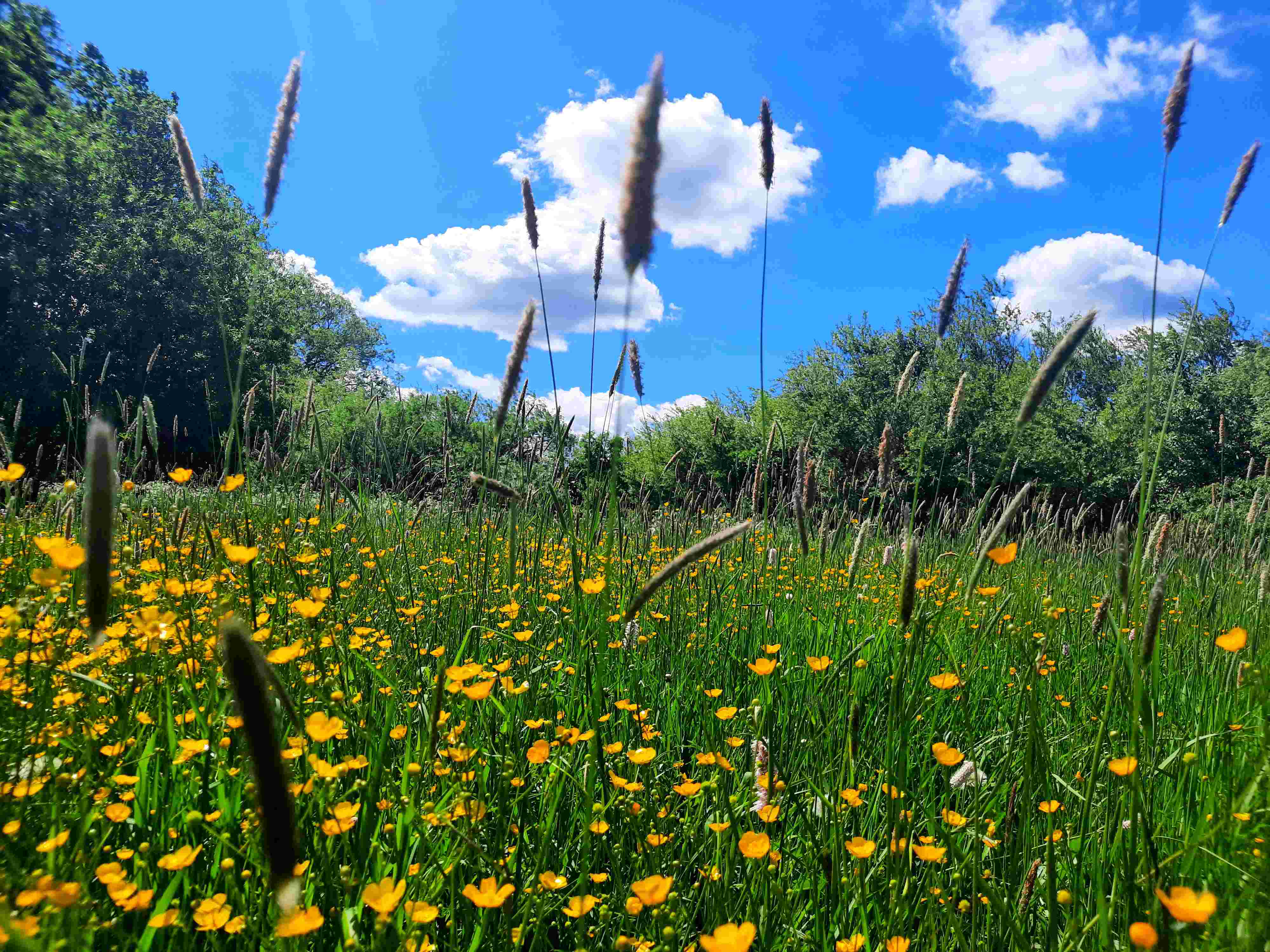
Meadow buttercup / jaskier
Ranunculus sp.
Bright yellow meadow flowers observed in the grassland around the apiary. They were part of the rich flowering background of this harvest period.
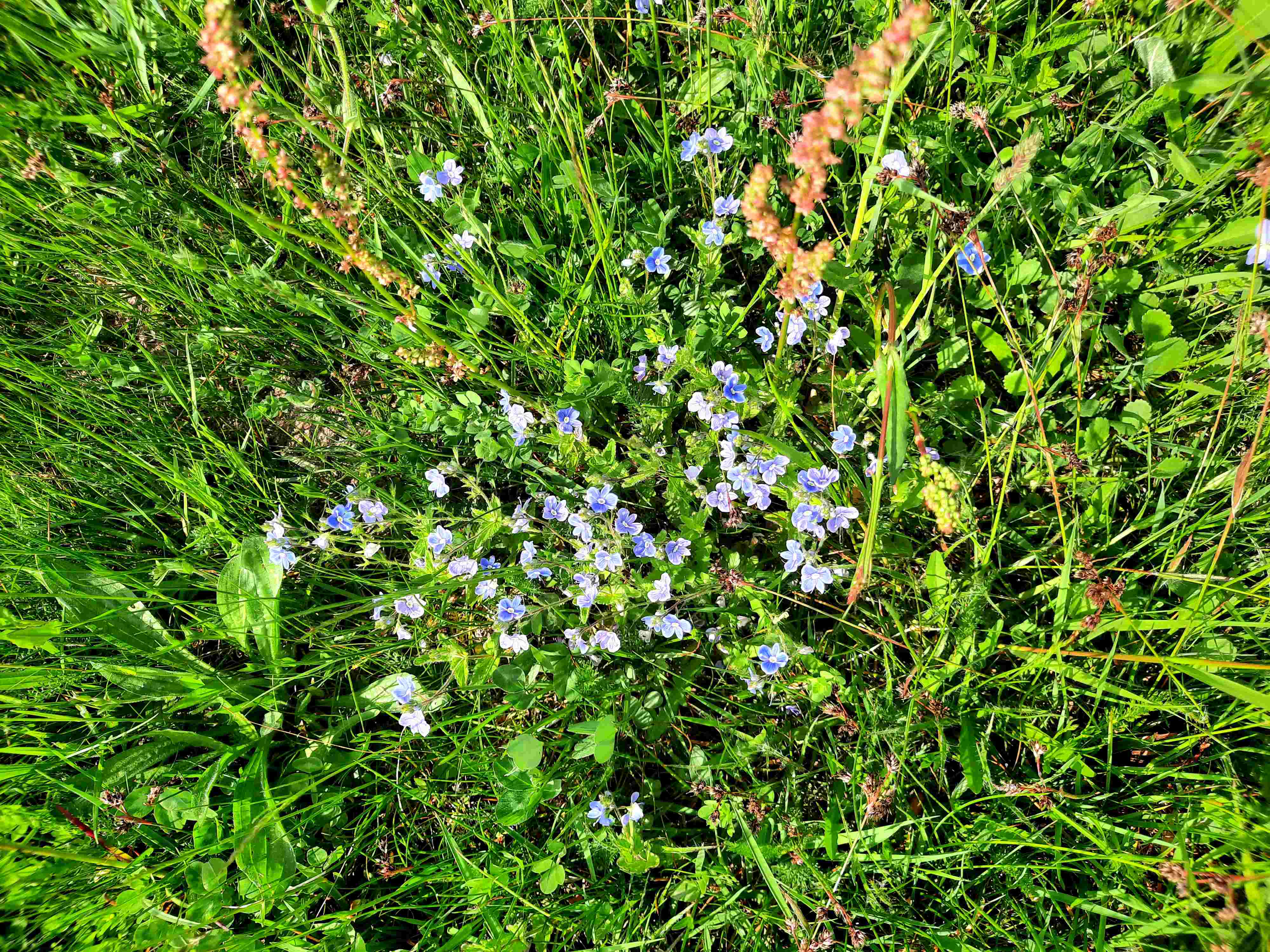
Speedwell / przetacznik
Veronica sp., likely Veronica chamaedrys
Small blue flowers visible among the meadow vegetation, adding a delicate blue accent to the green and yellow spring landscape.
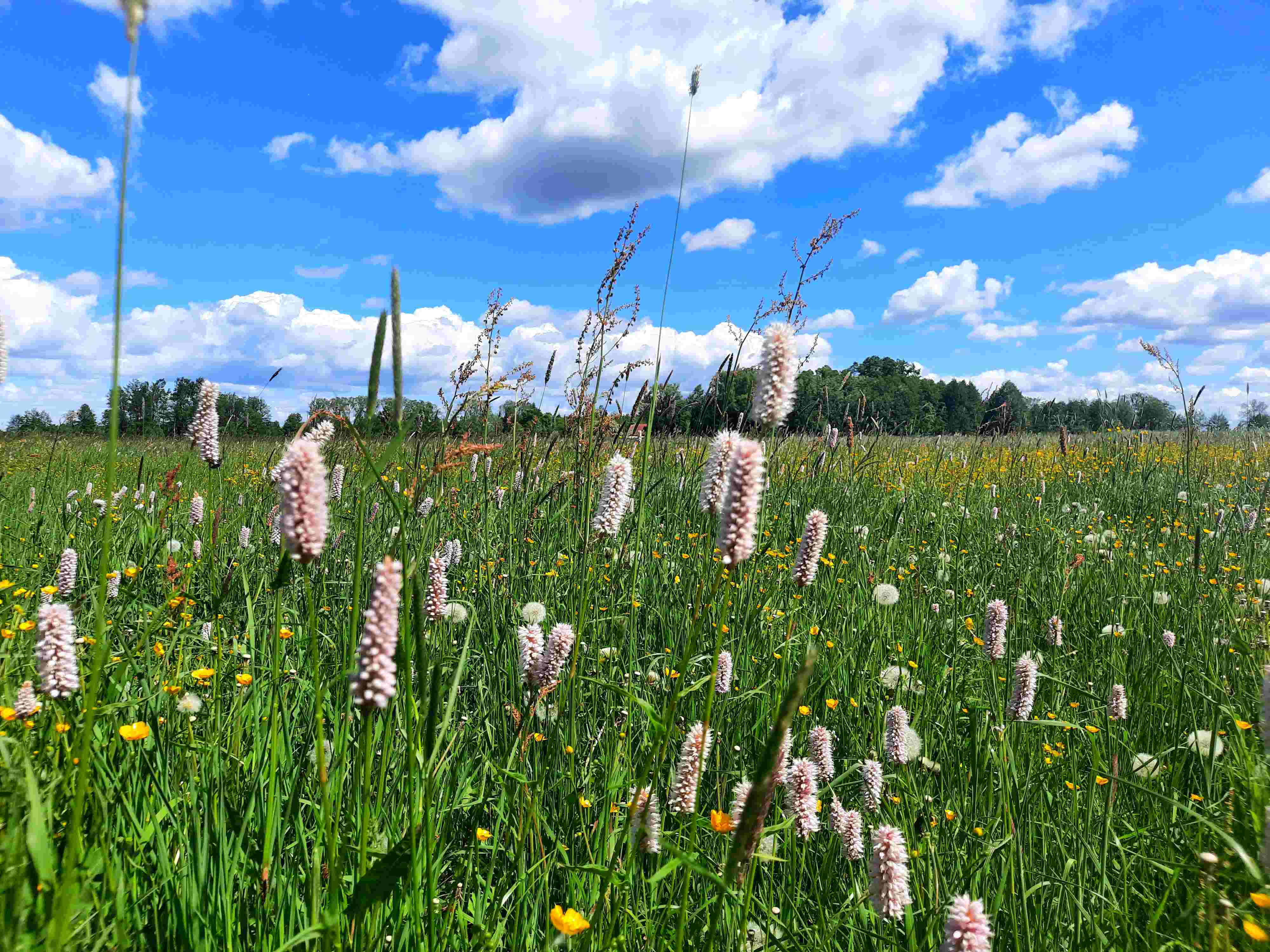
Bistort / rdest wężownik
Bistorta officinalis
Pink flower spikes observed in the meadow. This plant added another layer to the diverse late-spring floral mosaic.
About this honey
This spring honey reflects the floral diversity of Masuria: dandelion, rapeseed, hawthorn, meadow plants, forest-edge shrubs, and the local rhythm of late May. It is a spring landscape honey — a mixture shaped by the plants blooming around the apiary at that time.
Honey from this location had also been collected in previous seasons. The place remains the same, and the main environmental structure is recognizable: meadows, shrubs, fields, forest edges, and spring nectar sources. But every year is slightly different. The weather changes, flowering periods shift, colonies develop differently, and the bees write a new version of the same Masurian story.
This makes the honey especially interesting: it is similar enough to be compared across years, but never identical. Each batch is a natural snapshot of the season.
AmoHive monitoring
This honey comes from an apiary monitored with AmoHive smart hive technology in Masuria, Poland.
Monitoring was conducted using AmoHive smart hives:
AmoHive 250
AmoHive 364
AmoHive 055
AmoHive 811
AmoHive 568
AmoHive 411
These hives collected long-term data on colony development and environmental conditions. The information is used for scientific research and for comparing honey bee colony dynamics, flowering periods, and honey harvests from the same location across different years.
In other words: while the bees were making honey, the AmoHive system was quietly taking notes.
Photos from the harvest area
The photos show the real landscape around the apiary during this harvest period: dandelion meadows, rapeseed fields after the main bloom, hawthorn blossoms, buttercups, speedwell, bistort, and other meadow plants. These images help document the floral environment in which the bees were working.
Natural value of this honey
Honey has long been valued as a natural food with a rich floral aroma, high energy content, and a special place in traditional nutrition. Organic honey from a diverse landscape like this carries not only sweetness, but also the character of the flowers, weather, soil, and season in which it was created.
This honey is a product of bees, plants, landscape, and time — with a little help from careful observation and a lot of help from nature.
The information provided here describes the origin and seasonal context of this specific honey batch. It is not intended to replace professional dietary or medical advice.